


📌 If you missed the other articles in this series, read the Real-World Guide to the 35 mm Lens, Real-World Guide to the 28 mm Lens and If the 50mm Feels Dull, You Are Avoiding the Work also Three Focal Lengths, a Lifetime of Images and Why I Still Shoot Prime in a Zoom World.
28mm isn’t a beginner’s lens. It’s a surgeon’s blade disguised as a butter knife.
You can’t fake depth. You can’t hide behind blur. Every mistake shows. Every subject is part of the scene—like it or not.
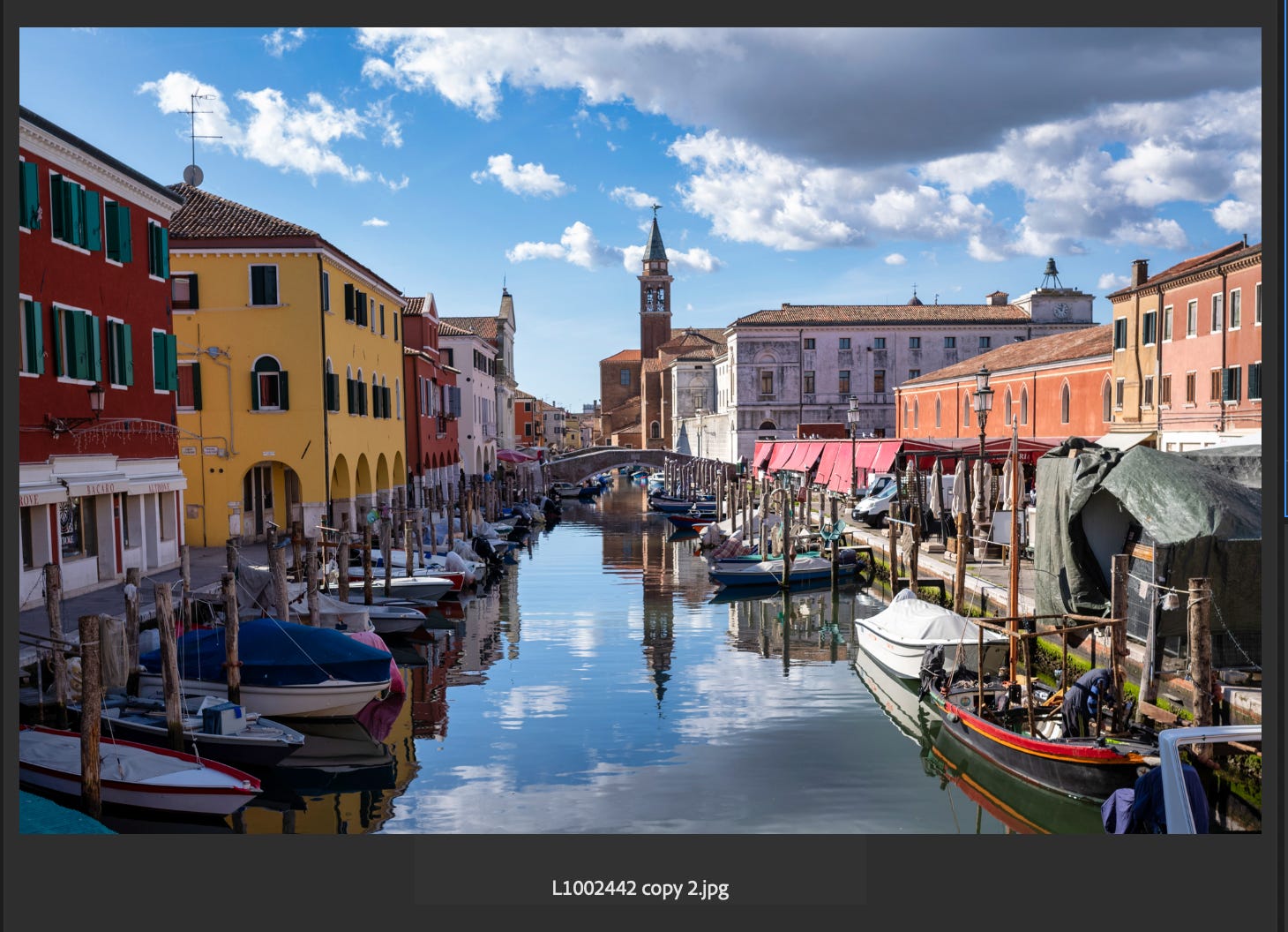
So why do I keep coming back to it?
Because it tells the whole story.
And when you're in the right mindset, that’s exactly what you want.
👉 Want to go deeper into how 28mm, 35mm, and 50mm perform?
Check out yesterday’s post on prime lenses.
Also, the Premium post on Prime Lenses
The Lens That Demands You Move
When I shoot with 28mm, I don’t zoom—I move.
Closer. Then closer again. Until I can hear the scene. That’s when the photo happens.
It’s the only focal length that consistently makes me feel in it, not observing from a distance.
It forces decisions. It kills laziness.
You either own the frame or the frame owns you.
Most photographers avoid it because it “distorts faces” or “includes too much.”
Good. Let them miss the shot while they fumble with their 85mm.
What It’s For
Street photography. Obviously.
Storytelling—when you're inside the scene, not observing it.
Tight urban landscapes, where you want to feel the space without stepping back into traffic.
Travel shots, when context matters more than bokeh.
Environmental portraits—if you’ve got the guts and the trust.This is not a lens for "likes."
It’s for capturing reality at eye level—and slightly to the side.
My Setup
I use it almost every day—film or digital, Leica or mirrorless, full-frame or crop. You don’t need f/1.4 at 28 mm, but if you have it, embrace the chaos.
📸 Paid Subscriber Bonus: Inside the 28 mm Frame
I’ve revisited this section with new notes from recent shoots. Behind the paywall you’ll find three real-world examples—each showing exactly:
Where I was standing
Why I chose that composition
What I’d adjust today
How to train your eye for this field of view
Plus:
👉 28 mm Alternatives—When and Why
👉 The Best 28 mm Lenses (Tried and Tested)
Because theory is nice, but real-world use is better.
Next in the Series:
35mm — The most boring lens in the world. Unless you know how to use it. :-)
Coming tomorrow: Part III of Making Money with Photography. We’ll cover workshops, books, portfolio reviews, and the offers that actually pay.
(No email blast for this one — just for those paying attention.)
