

The Boring Street Challenge
How to make strong images anywhere and why location is the last thing that matters

Most photographers I meet are waiting. Waiting for the trip to Japan. For Venice in winter fog. For that street in Lisbon they saw on Instagram. For the light to do something extraordinary.
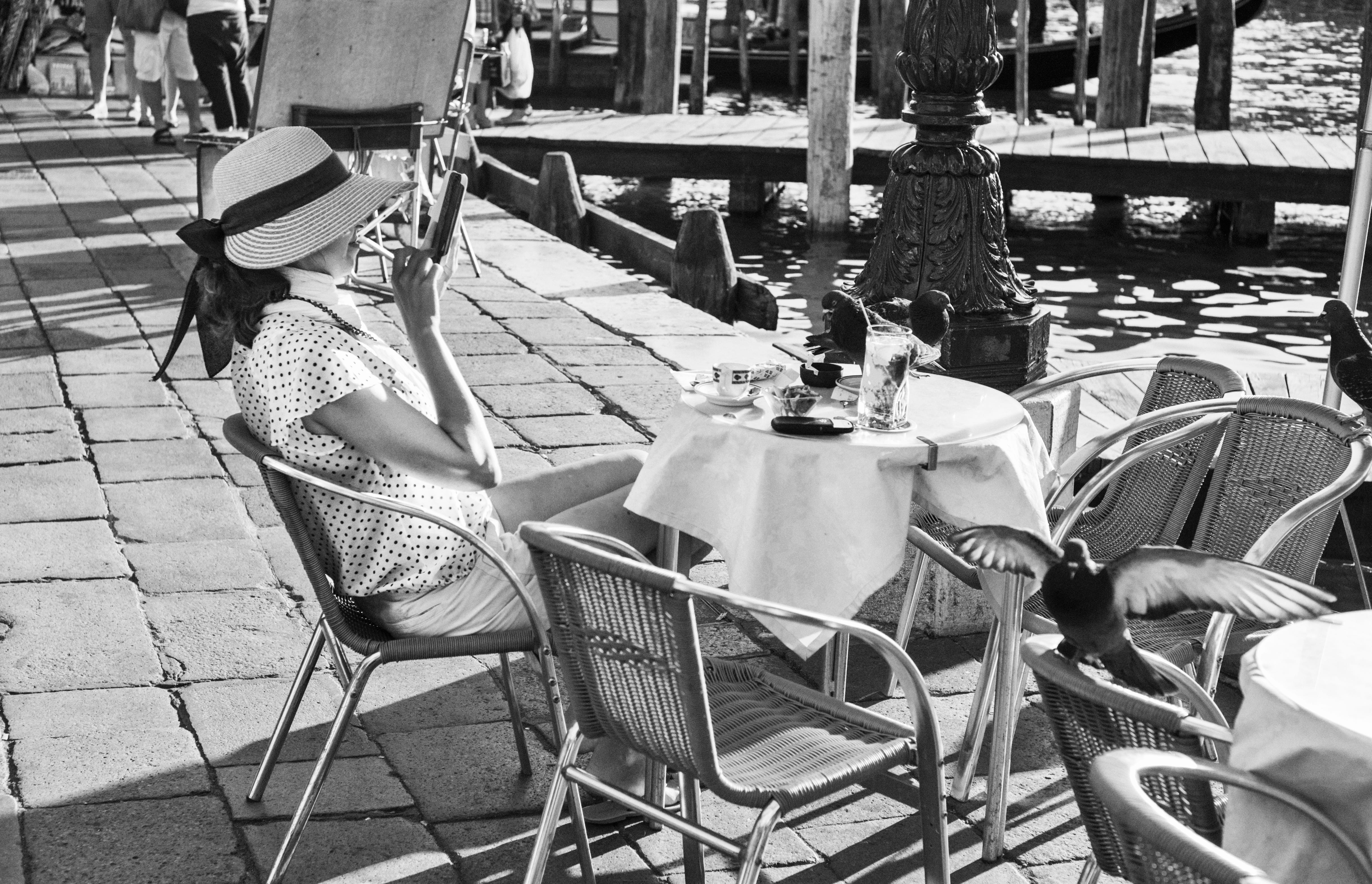
I understand it. I’ve felt it. But after years of working as a documentary photographer and watching hundreds of students in my workshops I’ve come to believe this waiting is the single biggest obstacle to becoming a better photographer.
The photographers I admire most don’t need a beautiful location. They bring something to the location. A way of seeing. An attention. A patience. And that skill is not built in Tokyo or Venice it’s built on the ordinary street outside your door, on an unremarkable Tuesday afternoon.
Which is exactly what today’s exercise is about.
Why “boring” is better training
When you shoot somewhere spectacular, the location does half the work for you. The architecture, the light, the strangeness it all adds drama automatically. Your eye relaxes. You react instead of create.
A boring street gives you nothing for free. No golden domes, no canal reflections, no picturesque decay. Just pavement, walls, ordinary people going about their day. You have to find the photograph. And finding not reacting is the core skill of documentary work.
This is why the best street photographers in history didn’t only work in exotic places. Vivian Maier shot Chicago suburbs. Fan Ho turned Hong Kong’s everyday streets into poetry. The location was almost beside the point. The eye was everything.
Training on boring streets teaches you to look harder. And when you eventually do stand in front of something beautiful, you’ll see ten times more than you did before.
The exercise: 30 minutes, one ordinary street
Here’s what I want you to do, today or tomorrow not next time you travel.
Pick a street near you that you find genuinely unremarkable. Not your favorite neighborhood. Not the market. The one you walk past without looking. A residential block, a commercial strip, a side street you barely notice.
Set a timer for 30 minutes. Bring only one lens. Your phone is fine.
The rules:
No filters, no presets, no HDR. Straight out of camera.
No magic hour cheating go at a flat, ordinary time of day.
No traveling further than 200 meters from your starting point.
Minimum 10 frames before you stop.
No discarding while shooting. Keep everything. You’ll edit after.
Your goal is not to come back with a portfolio. Your goal is to find at least one frame you’re genuinely proud of.
If you can do that on a boring street, in flat light, in 30 minutes you’re developing something real.
Writing these posts researching, structuring lessons that actually work, testing them against what I see in real workshops — takes serious time. It’s not a quick opinion piece; it’s the same thinking I put into my Venice and Budapest workshops, distilled into something you can use today. Paid subscriptions are what make it possible to keep doing this properly. If this kind of practical, honest content is useful to you, consider joining below. It means a lot.
