

Portraits Without Eye Contact
Why the strongest portraits often look away and how to direct subjects toward something better than the camera.

There’s a moment in every portrait session I can predict before it happens. The subject settles in, the light is right, and then they do it — they lock eyes with the lens and perform. Shoulders square up. A small, polite smile arrives. The face becomes a passport photo of itself.
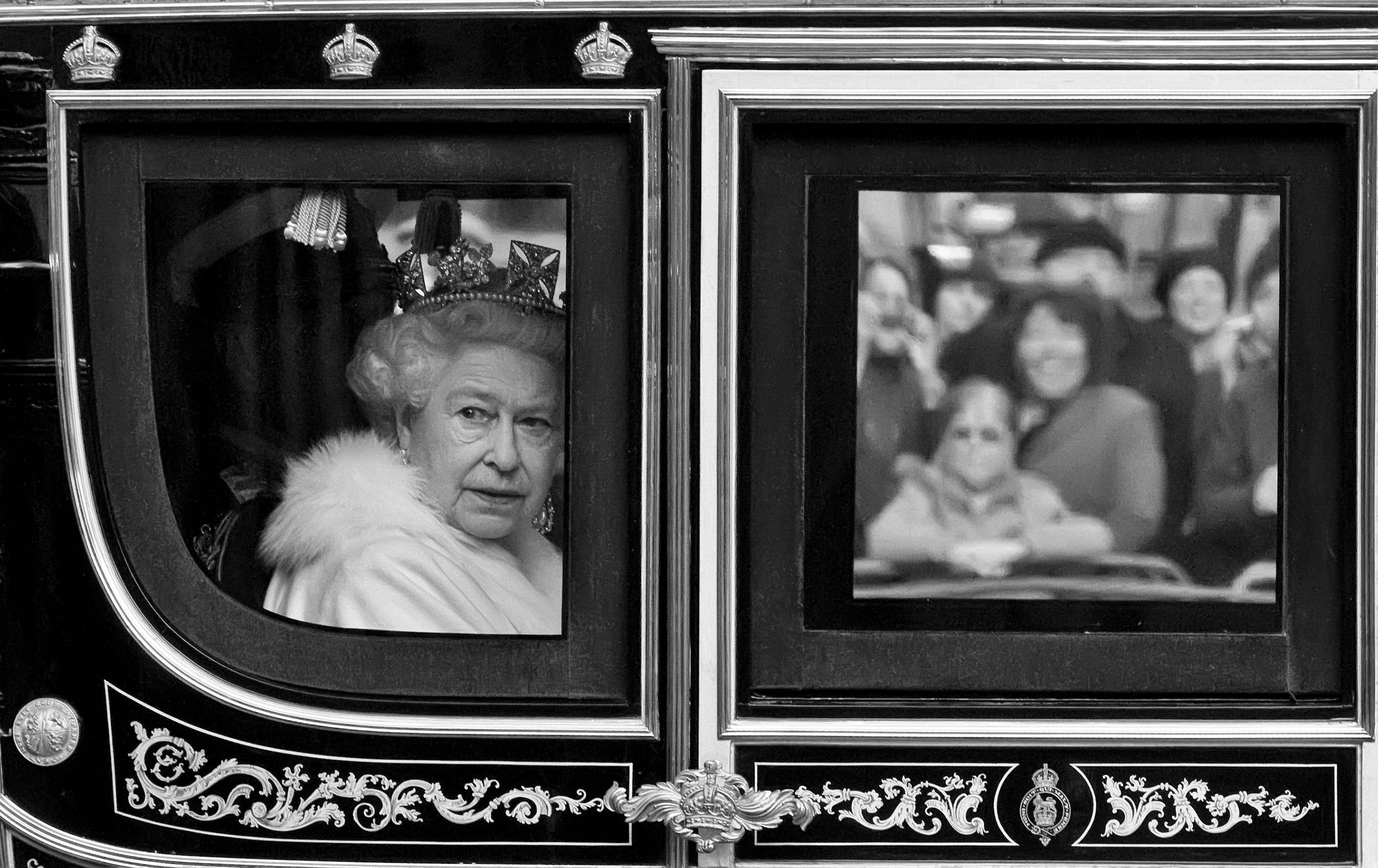
This is the moment most photographers press the shutter. It’s also the moment I usually lower the camera and wait.
The best portraits I’ve made — the ones editors actually license, the ones that hold a viewer for more than half a second — rarely involve direct eye contact. And once you understand why, you stop chasing the gaze entirely.
What eye contact actually does to a photograph
Direct eye contact is a transaction. The subject acknowledges the camera, the camera acknowledges the subject, and the viewer becomes a third party watching a handshake. It’s polite. It’s closed. The story has already ended before you arrived.
An averted gaze — or no visible gaze at all, as in the photograph above — does something different. It implies a before and an after. The subject is mid-thought, mid-listen, mid-duty, mid-life. The viewer isn’t being greeted. They’re eavesdropping. That asymmetry is where tension lives, and tension is what separates a portrait from a headshot.
Think about the editorial work that actually gets remembered. Avedon’s In the American West is full of direct gazes, yes — but those gazes are confrontational, almost hostile. They work because they refuse the social contract of the polite portrait. Most photographers who imitate that look end up with the polite version anyway, because their subjects haven’t been pushed anywhere uncomfortable. The averted gaze, or the back-of-the-head frame, is the easier and more honest path to the same goal: a portrait that isn’t performing for the camera.
There’s a second thing direct eye contact does that almost no one talks about. It collapses time. A face looking at the lens exists only in the instant of the shutter — there is no implied past, no implied future, just now, smile, click. An averted gaze or a turned back stretches the photograph into a sequence. The viewer’s mind fills in what came before and what is about to happen. You’ve handed them a short film disguised as a still image.
Why this matters more than it used to
We are drowning in face-forward portraits. Every phone camera defaults to one, every LinkedIn headshot ratifies the convention, every influencer has trained their audience to expect the polite handshake gaze. The market value of that photograph is approaching zero, because anyone with a phone can produce it.
What still has value — editorially, commercially, artistically — is the photograph that refuses the convention. The portrait where the subject is doing something, attending to something, being somewhere, rather than smiling at a lens. This is what picture editors mean when they say they want “atmosphere” or “narrative” or “a sense of place.” They mean: stop showing me faces shaking hands with cameras.
The averted gaze isn’t a stylistic preference. It’s a competitive advantage.
🔒 The rest of this post is for paid subscribers
In the second half, I break down the practical craft: the three situations where direct eye contact is actually the right call, the four directing techniques I rotate through to redirect a subject’s attention without making them self-conscious, the focal-length and framing choices that make averted-gaze portraits work (and the ones that kill them), and a full walkthrough of how I shot the photograph above — what I was watching for, what I chose to leave out of focus, and why the white glove is the real subject of the image.
If you’re serious about portrait work that sells and lasts, this is the half that changes how you shoot next week.
