

Finding Your Photography Style
A Practical 3 Steps Framework With Exercises That Actually Works

There is a question that comes up in almost every workshop I run, usually somewhere between the second coffee and the afternoon shoot.
How do I find my style?
It sounds like a philosophical question. It is not. It is a practical one. And like most practical problems, it has a method.
The trouble is that most advice on this topic pulls in the wrong direction. It tells you to shoot more, look at more work, follow your instincts, and trust the process. That is not bad advice. But it is incomplete advice. It gives you motion without direction.
What actually works is slower, more deliberate, and considerably less romantic. It requires you to look backwards before you look forward
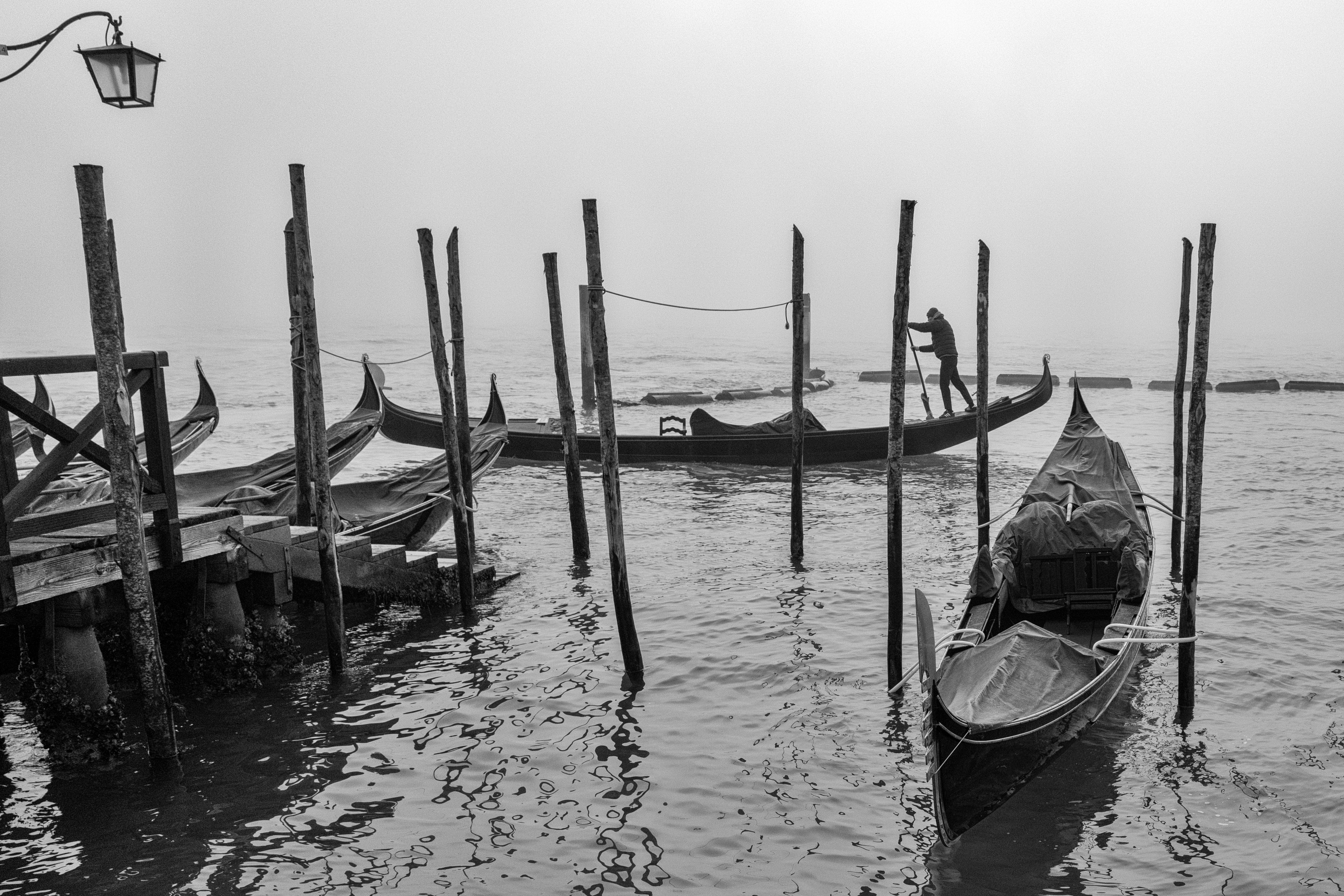
Step One: Build Your Vision Vault
Before you can develop a style, you need to understand what you are already drawn to. Not what you think you should like. Not what gets the most engagement. What actually stops you when you are scrolling, walking through a gallery, or flicking through a photobook at midnight?
Start collecting those images. Not to copy them. To study them.
This is what I call a vision vault: a curated set of photographs from different photographers and periods that consistently arrest your attention. Twenty images is enough to start. Fifty is better.
Once you have them together, do not just look at them. Interrogate them.
Ask yourself specific questions. What kind of light keeps appearing? Is it hard and directional, or soft and diffused? Are the frames busy or stripped back? Where does the eye land first, and why? What is the emotional register: melancholy, stillness, tension, joy? Are there colours, or is the palette deliberately restrained?
Write the answers down. Not in vague terms. Specifically.
This exercise will begin to show you a pattern you already have but have not yet named. Most photographers have a sensitivity that precedes their technique. The vault makes it visible.
Step Two: Translate Preferences Into Practice, One Element at a Time
Here is where most photographers make the mistake of moving too fast.
They identify a photographer they admire, try to absorb everything about that person’s work at once, and end up with something that looks derivative without understanding why. The problem is not influence. Influence is how every visual language develops. The problem is that it tries to import a whole aesthetic rather than isolate its components.
The better approach is surgical. Pick one element from your vision vault and go out specifically to work with it.
If the images you collected tend toward minimal compositions with strong negative space, spend a full session shooting only that. Ignore everything else. Do not worry about the light. Do not worry about the subject. Constraint is not a limitation here. It is a tool.
Then do the same with light. Then with the subject distance. Then with colour or the absence of it.
Over several weeks, you will start to notice which elements feel natural and which feel forced. The ones that feel natural are the ones you keep. The ones that feel like performance, you let go.
This is not copying. It is calibration. You are learning the difference between what you find interesting in other people’s work and what actually belongs to how you see.
I want to be straightforward with you.
I write these pieces because I genuinely believe they can change how you work. But writing at this level takes real time. Research, drafting, cutting, rebuilding. The kind of depth I aim for here does not happen quickly, and it does not happen for free on my end.
I have deliberately chosen to put the most practical, actionable parts of my work behind a paywall. Not to hold anything back, but because I think knowledge that costs nothing tends to be treated as worth nothing.
You read it, you move on, you do not use it.
Paid subscribers read differently. They apply what they find. That is the kind of reader I am writing for.
If that is you, the exercise and the full framework are below.
